
A fire alarm system finds a fire early and warns everyone to get out. In a factory or a tall building, those first minutes save lives. There are two main types: conventional and addressable.
Short answer: conventional systems cost less and suit small buildings. Addressable systems show the exact spot of the fire and suit factories, large offices, hospitals and high-rise buildings.
Conventional fire alarm
In a conventional system, the building is split into zones, for example one zone per floor. The detectors in each zone are wired together. When a detector goes off, the panel shows the zone, not the exact detector. Staff then have to search the whole zone.
Good for: small shops, small offices, houses and buildings with only a few zones.
Addressable fire alarm
In an addressable system, every detector and call point has its own address. The panel shows exactly which device went off, for example “Floor 3, cutting section, detector 12”. Staff can go straight there. The panel also reports faults, like a dirty or missing detector.
The devices are wired in a loop. Isolator modules on the loop cut off a short circuit so the rest of the system keeps working.
Good for: garment factories, warehouses, hospitals, hotels, shopping centres and tall buildings. Buyer audits in the garment sector often expect an addressable system.
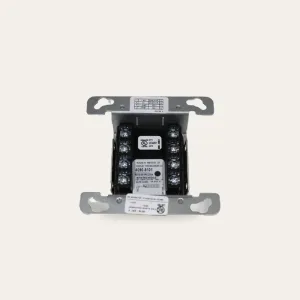 Isolator ModulePrice on requestGet a price
Parts of a fire alarm system
- Control panel: the brain of the system.
- Smoke detectors: for offices, rooms and corridors.
- Heat detectors: for kitchens, generator rooms and dusty areas, where smoke detectors give false alarms.
- Beam detectors: for large open areas with high ceilings, like warehouses.
- Manual call points (pull stations): so a person who sees a fire can raise the alarm.
- Sounders and strobes: loud sound and flashing light to warn everyone.
- Input and output modules: to connect other things, like a sprinkler flow switch or a door release.
- Fire alarm cable and back boxes: fire-resistant wiring and mounting.
- Battery backup: so the alarm works when the power goes off.
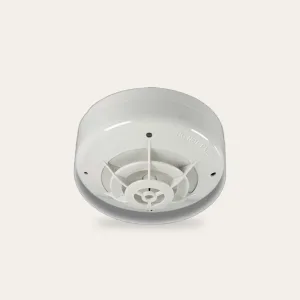 Heat DetectorPrice on requestGet a price
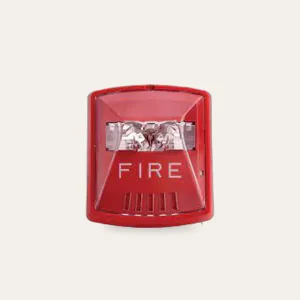 Sounder with StrobePrice on requestGet a price
Which detector goes where?
- Offices, bedrooms, corridors, stores: smoke detector.
- Kitchens, generator rooms, boiler rooms, dusty areas: heat detector.
- Warehouses and halls with high roofs: beam detector.
- Near every exit and stair: manual call point.
Keep it working
Test the alarm regularly, clean detectors, and check the batteries. A smoke tester spray lets you test a smoke detector without making real smoke. Big buildings also use a public address (PA) system to give clear instructions during an evacuation.
Common questions
What is the fire alarm system price in Bangladesh?
It depends on the number of devices, the type (addressable costs more) and the cable length. Send us your floor plan and we will price it.
Can a conventional system be upgraded to addressable?
Usually the panel and detectors need to change, and some wiring too. Ask your installer to check what can be reused.
Why does my fire alarm give false alarms?
Common causes are the wrong detector type (a smoke detector in a dusty or steamy area), dirty detectors, or loose wiring.
Planning a fire alarm system? Call our hotline +8801670 468794 or send us a message on WhatsApp.
Recommended products from our stock
These are the products this guide talks about, delivered all over Bangladesh. For items without a price, send us the quantity and we will reply on the same working day.
Heat DetectorPrice on requestGet a price Beam DetectorPrice on requestGet a price
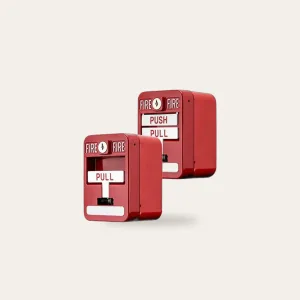 Manual Pull StationPrice on requestGet a priceSounder with StrobePrice on requestGet a priceIsolator ModulePrice on requestGet a price
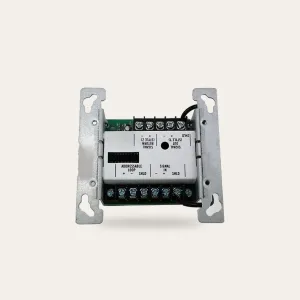 Input ModulePrice on requestGet a price
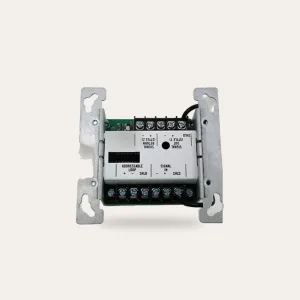 Output ModulePrice on requestGet a price
 Fire Alarm CablePrice on requestGet a price