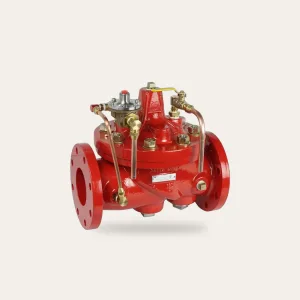
Water is the best fire fighting agent for most fires, but not for burning fuel. Diesel and petrol float on water, so a water jet can spread a fuel fire instead of putting it out. Foam floats on the fuel, cuts off the air and seals in the vapour, so the fire goes out and doesn’t come back.
Short answer: any site that stores or handles flammable liquids in quantity, such as fuel tanks, generator day tanks, chemical stores or loading bays, should talk to a fire engineer about foam.
Where foam is used
- Fuel storage tanks and tank farms.
- Diesel day tanks and generator rooms in large buildings and factories.
- Chemical, paint and solvent stores in dyeing, printing and pharmaceutical plants.
- Fuel loading and unloading bays.
- Aircraft hangars and vehicle depots.
Which foam: AFFF or AR-AFFF?
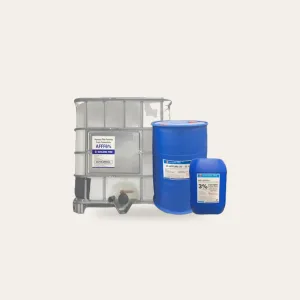
Foam concentrate is mixed with water at 1%, 3% or 6%, depending on the type. AFFF is used on hydrocarbon fuels such as petrol, diesel and furnace oil. Alcohol-resistant AR-AFFF is needed for polar solvents such as alcohols, acetone and some chemicals, which break down ordinary foam. If your site has both, AR-AFFF covers both. Many users are also moving to fluorine-free foams for environmental reasons. Ask us about them.
The parts of a foam system
- Foam bladder tank: stores the concentrate in a rubber bladder inside a steel tank. Fire water pressure squeezes the bladder and pushes the concentrate into the pipe at the right rate, with no foam pump, so it keeps working in a power cut.
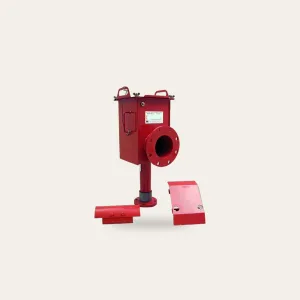
- Proportioner: mixes concentrate and water in the right ratio.
- Deluge valve: opens the whole system at once when the detection system or a person triggers it.
- Discharge devices, chosen for the hazard:
- Foam chambers on the shell of a storage tank pour foam gently onto the fuel inside.
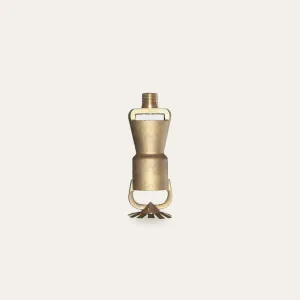
- Foam spray nozzles cover pumps, loading racks, transformers and bunded areas.
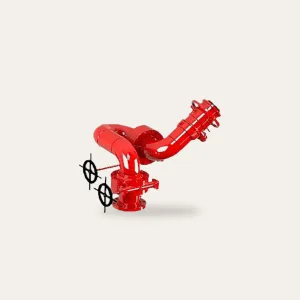
- Foam monitors throw a large stream up to 50 m, so one person can protect a tank farm or loading bay from a safe distance.
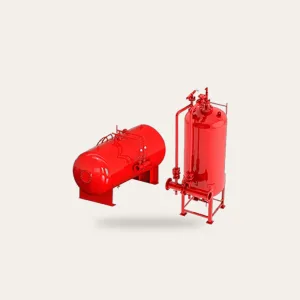 Foam Bladder TankPrice on requestGet a price
Design comes first
A foam system is designed for a specific hazard: the area of fuel, the type of liquid and the application rate the standard requires (our equipment is made to NFPA 11 and EN 13565). The design sets the foam type, the tank size, the pipe sizes and the number of nozzles. Buying parts before the design is done usually costs more in the end.
Keeping it ready
- Have a sample of the foam concentrate tested regularly. Concentrate can lose quality over the years.
- Check the bladder tank, valves and proportioner as part of the fire system’s routine maintenance.
- Test the system with water, and with foam where the maintenance plan calls for it, and collect the run-off safely.
- Keep enough concentrate in stock to refill the system after it has been used.
Foam is often combined with sprinklers and a fire pump set. See Fire Pump Guide and Fire Sprinkler System.
Common questions
What is the difference between AFFF and AR-AFFF?
AFFF is for hydrocarbon fuels such as petrol and diesel. AR-AFFF is alcohol resistant and also works on polar solvents such as alcohols and acetone, which break down ordinary AFFF.
What does 3% or 6% foam mean?
The proportion of concentrate in the foam solution. A 3% concentrate is mixed as 3 parts concentrate to 97 parts water. The system is designed for one or the other.
Does a generator room need a foam system?
A small room with a day tank is often protected by other means. A large generator plant with significant fuel storage may need foam. A fire engineer decides from the amount of fuel and the layout.
How long does foam concentrate last?
It depends on the type and how it is stored. Have a sample tested regularly and replace concentrate that no longer passes.
Recommended products from our stock
These are the products this guide talks about, delivered all over Bangladesh. For items without a price, send us the quantity and we will reply on the same working day.