On paper, every building can be evacuated. A drill shows what really happens: the exit door that sticks, the floor that can’t hear the alarm, the supervisor who goes back for a bag. It is the cheapest fire safety check there is, and for factories it is part of every compliance audit.
Short answer: pick a date, brief the wardens, sound the real alarm, time how long everyone takes to reach the assembly point, count heads, then write down what went wrong and fix it.
Before the drill
- Appoint fire wardens for each floor or section. Each one checks their area is empty and reports at the assembly point.
- Walk the routes. Exits open without a key, stairs clear, exit signs lit, doors that open outwards.
- Agree the assembly point: away from the building, not blocking the road or the fire engines’ access.
- Plan for people who need help: anyone with a disability, injury or pregnancy, and visitors who don’t know the building.
- Tell the alarm monitoring company, if you have one, so they don’t call the Fire Service.
- Decide whether to announce the drill. The first time, yes. Later ones can be unannounced, which tests the real reaction.
During the drill
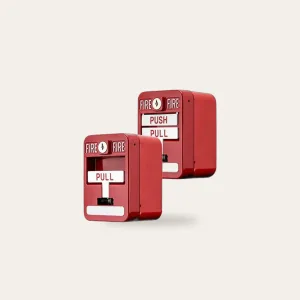
- Sound the real alarm from a manual call point. This also tests that it works.
- Start the clock.
- Wardens sweep their areas: toilets, store rooms, prayer rooms, offices with closed doors.
- Machines are stopped and gas is shut off by the people trained to do it.
- Nobody uses the lift.
- At the assembly point, each warden counts their people against the attendance list and reports to the person in charge.
- Stop the clock when the last person is counted.
What to watch for
- Areas where the alarm could not be heard. In noisy production areas, add sounders with strobes, which flash as well as sound.
- Crowding at one stair while another is empty.
- People who waited to be told, or stopped to collect things.
- Exits that were locked, blocked or hard to open.
- Confusion about where to go. A public address system lets someone give calm, clear instructions floor by floor.
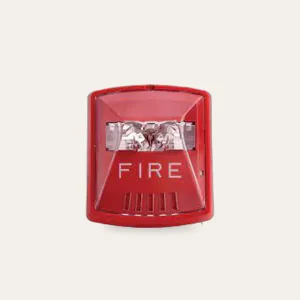 Sounder with StrobePrice on requestGet a price
After the drill
Gather the wardens the same day, while it is fresh. Write down the time taken, the number of people, and each problem with a name next to it and a date to fix it. Keep the record: auditors and inspectors ask for it. Then run the next drill and see if the time comes down.
How often
Many factories run drills every few months, and some buyers’ codes set a minimum. Check what your licence, insurer or buyer’s code requires. New staff should take part in a drill soon after they join, and every shift should take part, not only the day shift.
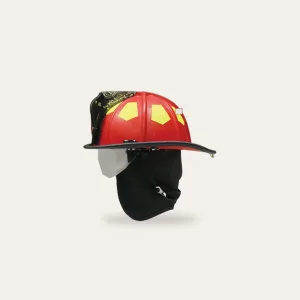
A drill also shows whether your fire team is ready. See Fire Safety Equipment Your Factory Fire Team Needs.
Common questions
Should a fire drill be announced?
The first one, yes, so people learn the routes calmly. After that, unannounced drills show how people really react.
How long should an evacuation take?
There is no single figure for every building. What matters is that everyone gets out safely and that the time improves from one drill to the next. Your fire safety plan or consultant may set a target.
Who should be a fire warden?
Someone who is usually present on that floor or shift, respected by their team, and calm under pressure. Each floor and each shift needs one, plus a deputy.
Do we need to call the Fire Service for a drill?
Not for a normal drill. If your alarm is monitored, tell the monitoring company first so they do not send a real call.
Recommended products from our stock
These are the products this guide talks about, delivered all over Bangladesh. For items without a price, send us the quantity and we will reply on the same working day.