A fire often takes the power with it, or the electricity is cut on purpose to make the building safe. Then the stairs go dark and fill with smoke at the same moment. Emergency exit lights are what people follow out. They are cheap and simple, and they are among the first things a fire inspector or buyer’s auditor looks at.
Short answer: a lit exit sign over every exit door and at every turn of the escape route, batteries that last as long as your approval asks, and a quick test every month.
Where they go
- Above every exit door, including the final door to the outside.
- Wherever the route changes direction, so the next sign is always in view.
- On every stair landing and at the bottom of the stairs.
- Near fire equipment, alarm call points and first aid points, so they can be found in the dark.
- In large rooms without walls to follow, such as a factory floor, warehouse or hall.
Stand at any point on the route and look: you should see the next sign. If you can’t, add one.
Exit sign or floodlight?
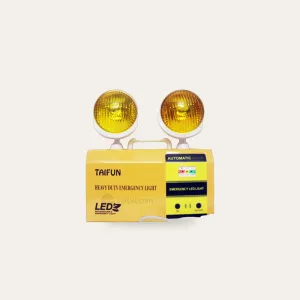
An emergency exit light shows the way: the green running-man sign, lit from inside. It does not light up the floor. Large open areas also need light to move by, so people don’t trip over machines or stock in the dark. That is the job of an emergency floodlight, such as a fog light with backup power, which switches on by itself when the mains fails.
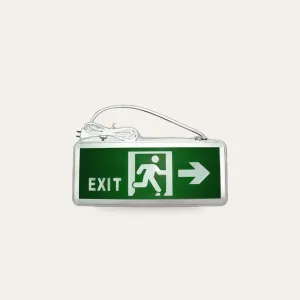 Emergency Exit LightPrice on requestGet a price
How long the battery must last
Our exit lights run for 2 to 4 hours from their own battery, depending on the model. Many specifications ask for three hours, so that the building can be searched after everyone is out. Check what your building approval or your buyer’s audit requires, and choose the model to match.
Testing
- Every month: switch off the supply to the lights for a minute (most have a test button). Every one should come on. Note any that don’t.
- Once a year: leave the supply off for the full rated time. A light that dies early needs a new battery.
- Keep a simple logbook with the date, who tested and what was fixed. Inspectors ask for it.
Common mistakes
- Signs hidden behind hanging banners, stacked cartons or new partitions.
- A light plugged into a socket that someone unplugs, instead of being wired to its own circuit.
- Signs pointing to a door that is now locked or blocked. Fix the door, not the sign.
- Batteries that were never tested and died years ago.
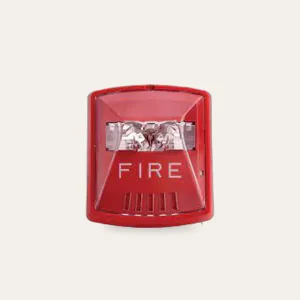
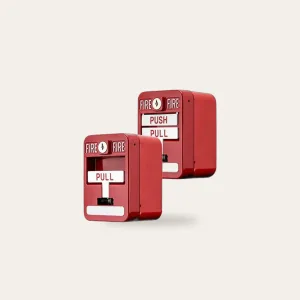
Exit lights work together with the rest of the system: the alarm that tells people to leave, the sounders and strobes they hear and see, and doors that open. Our factory fire safety checklist covers the rest.
Common questions
How many emergency exit lights do I need?
One over each exit door, one at each change of direction, and one on each stair landing. Walk the route: from any point you should see the next sign.
How long should an emergency light stay on?
Our models run for 2 to 4 hours. Many specifications ask for three hours. Check what your approval or audit requires.
What is the difference between maintained and non-maintained?
A maintained light is on all the time and stays on when the power fails. A non-maintained light is off normally and comes on only in a power cut. Exit signs in buildings used at night are often maintained, so they are always visible.
How often should exit lights be tested?
A short test every month and a full-duration test once a year, with the results written in a logbook.
Recommended products from our stock
These are the products this guide talks about, delivered all over Bangladesh. For items without a price, send us the quantity and we will reply on the same working day.