A fire door looks like any other door, but it has an important job. When it is closed, it holds back fire and smoke for a set time, so people can get down the stairs and fire fighters can get in. It only does that job if it is the right door, fitted properly, and closed when the fire starts.
Short answer: use a tested fire door with the rating your design asks for, fit it with matching fire-rated hardware and seals, and keep it closed.
Where fire doors are needed
- Doors into stairwells, which are the main escape routes in a tall building.
- Doors in corridors that divide a floor into fire compartments.
- Doors to risky rooms: electrical rooms, generator rooms, boiler rooms, stores and kitchens.
- Any door in a wall your fire safety design marks as fire rated.
Your approved drawings show which doors must be fire rated and at what rating. The fire licence guide explains the approval process.
What the rating means
A rating such as 30, 60, 90 or 120 minutes is the time the door held back fire in a standard test. A 60 minute door in a 120 minute wall weakens the wall, so the door must match what the design asks for. The rating belongs to the tested door set: leaf, frame, glass, seals and hardware together.
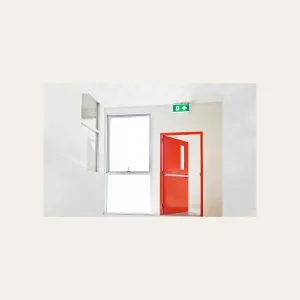 Fire Rated DoorPrice on requestGet a price
The hardware matters as much as the door
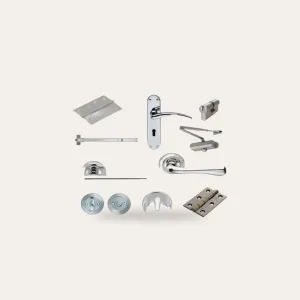
- Door closer: pulls the door shut by itself every time. Without it, a fire door stays open and does nothing.
- Fire-rated hinges and latch: keep the door in place and closed when the frame gets hot.
- Intumescent seals: swell in the heat and close the gap around the door.
- Panic bar: on exit doors, opens the door with a push, even in a crowd.
- Vision panel: fire-rated glass, tested with the door.
We supply fire door accessories to match the door’s rating, and replace worn parts on existing doors.
Common mistakes
- Wedging the door open. The most common problem. An open fire door lets smoke into the stairs. If a door must stay open for daily use, fit a hold-open device that releases when the fire alarm sounds.
- A broken or removed closer. The door no longer shuts itself.
- Ordinary hardware. A cheap handle, lock or hinge can fail in the heat, and breaks the door’s rating.
- Large gaps. A door that has dropped or a frame that has moved leaves gaps that let fire and smoke through.
- Holes in the door. Cutting for a new lock, a cable or a vent breaks the rating.
- Locked exits. Exit doors must open from the inside without a key while people are in the building.
A monthly check
Open each fire door fully and let go. It should close and latch by itself. Look for damage, missing seals, loose hinges and gaps. Make sure nothing blocks it. Write down what you find and fix it.
Large openings
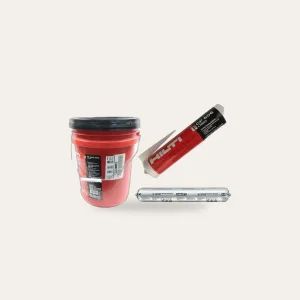
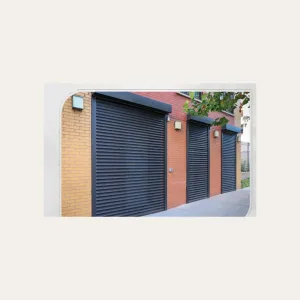
For openings too wide for a door, use a fire rated rolling shutter or a fire curtain that closes when the alarm sounds. Gaps around pipes and cables in fire walls need fire rated sealant or fire collars.
Common questions
Can I make my existing door fire rated?
No. A fire door is tested as a complete set. Replace it with a tested fire door of the right rating.
Can a fire door have a glass panel?
Yes, with fire-rated glass tested in that door.
Is it allowed to keep a fire door open?
Only with a hold-open device that releases the door when the fire alarm sounds. Never use a wedge.
Do you install fire doors?
Yes, on request, with the hardware and seals.
Recommended products from our stock
These are the products this guide talks about, delivered all over Bangladesh. For items without a price, send us the quantity and we will reply on the same working day.